The Difference Between Mass-Produced and Handmade Decor
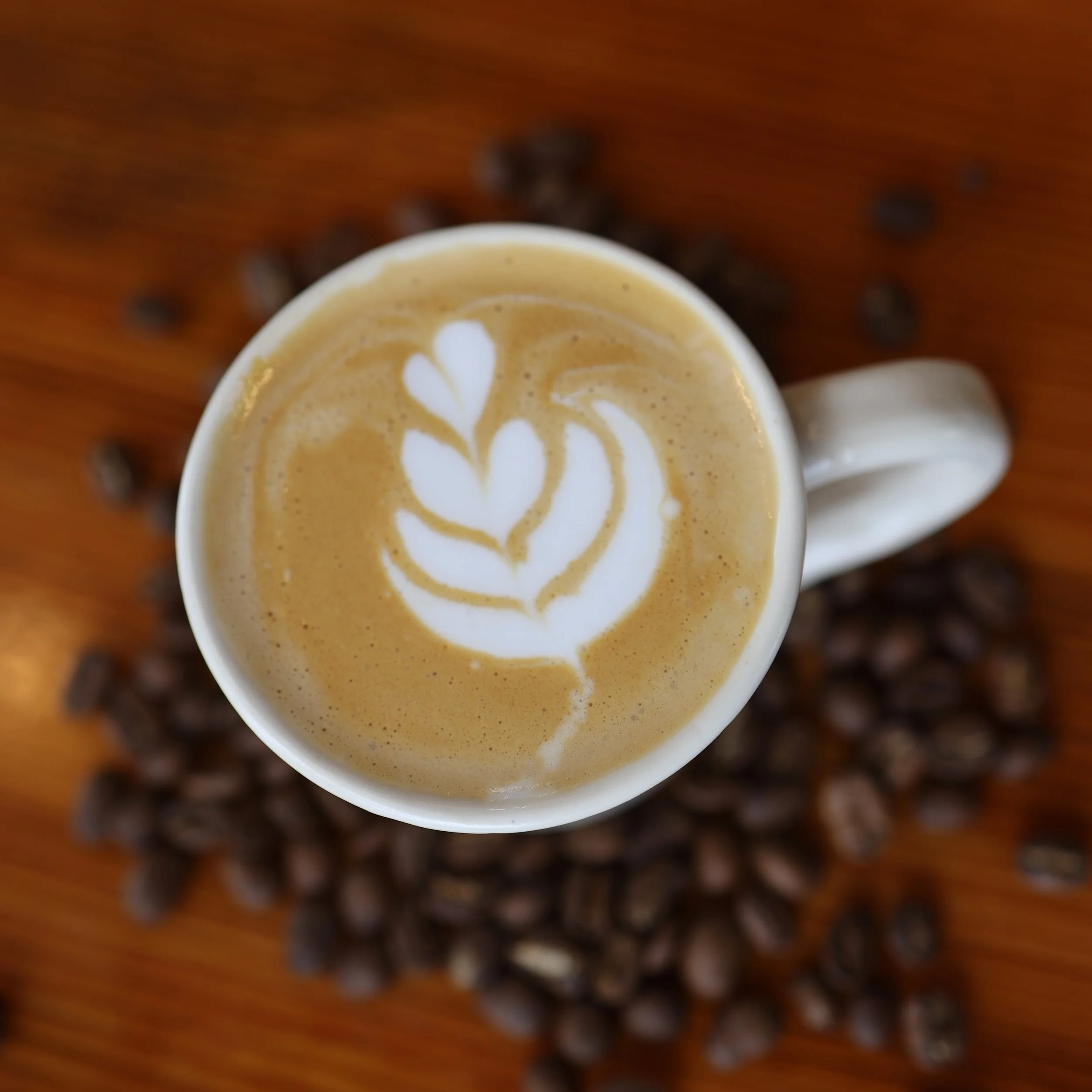
Latte art in the Heirloom Espresso Mug, by AL Fine Art & Design
In a world where almost anything can be delivered to your doorstep within a few days, choosing something handmade can feel almost nostalgic. There is a reason handmade objects continue to hold such a special place in our homes.
The difference isn't simply that one was made by hand and the other wasn't. It's the thought, time, individuality, and craftsmanship that can be felt in the finished piece.
At AL Fine Art & Design, I believe the objects we bring into our homes should be more than something that fills an empty space. They should have character, they should be thoughtfully made, and ideally, they should be pieces you continue to love long after the trends that surrounded them have passed.
Mass-Produced Doesn't Necessarily Mean Bad
There is certainly a place for mass-produced home décor. It makes decorating accessible, convenient, and affordable. It allows us to quickly change the look of a room and experiment with different styles. However, mass production is designed around efficiency.
When thousands, or even millions, of identical pieces need to be produced, the process has to be consistent, repeatable, and economical. Quality is often sacrificed in the materials used. Handmade objects follow a completely different path.
Rather than thinking about repeatability and economics, the process begins with the object itself: its shape, its texture, its proportions, and the experience of creating it. It is made by hand with higher quality materials that often last longer. That difference is part of what makes handmade pieces feel so personal.
The Beauty of Imperfection
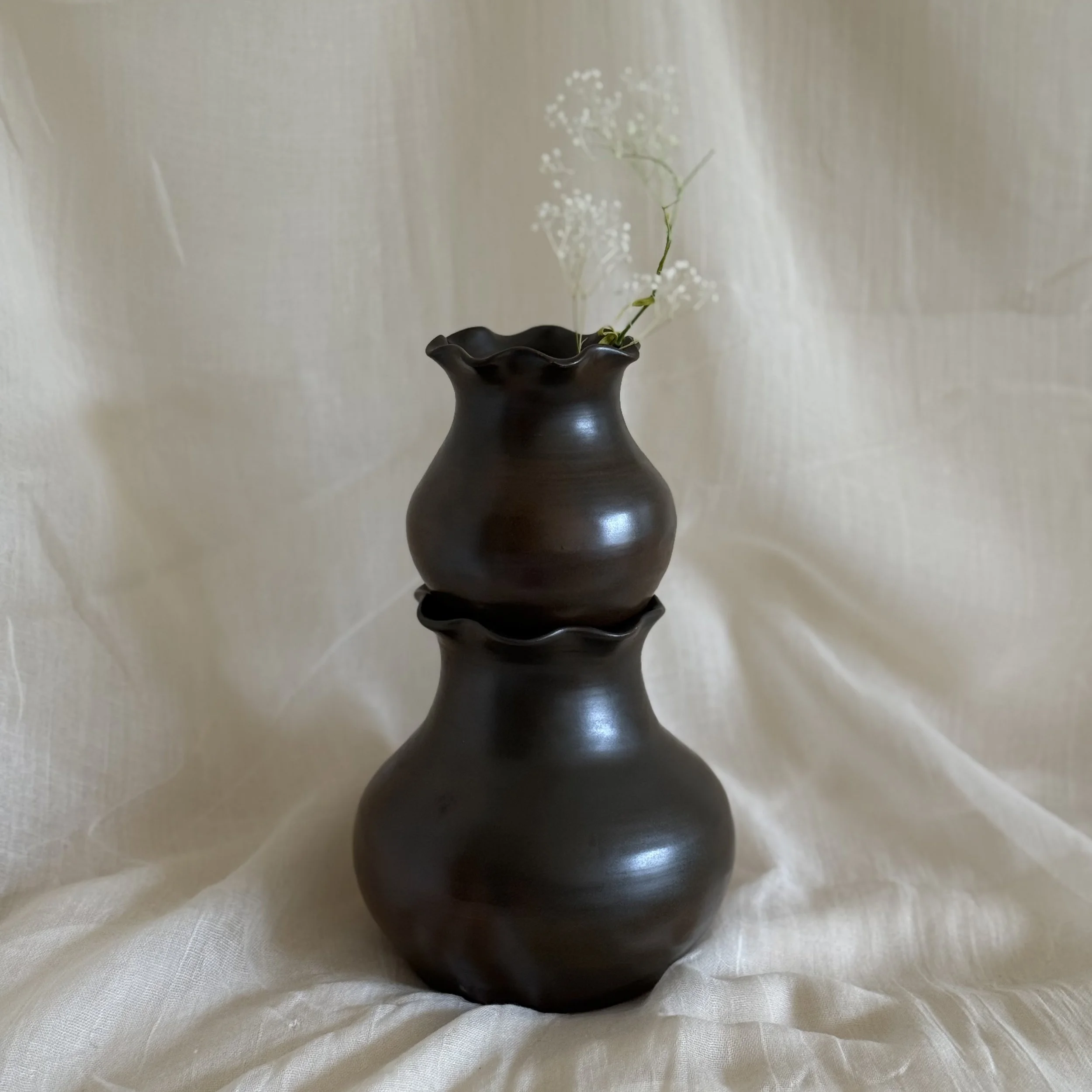
Two Ondulee Vases stacked, by AL Fine Art & Design
One of my favorite things about working with ceramics is that no two pieces are ever exactly alike.
There may be subtle variations in the surface, the shape, or the way a glaze settles during the firing process. These aren't flaws to be corrected, they are evidence of the process and they tell you that a person made this.
In a world surrounded by perfectly replicated objects, those small differences can make a piece feel far more meaningful. I don't want every piece to look like it came from a machine, I want you to be able to see the hand of the artist in it.
Craftsmanship Takes Time
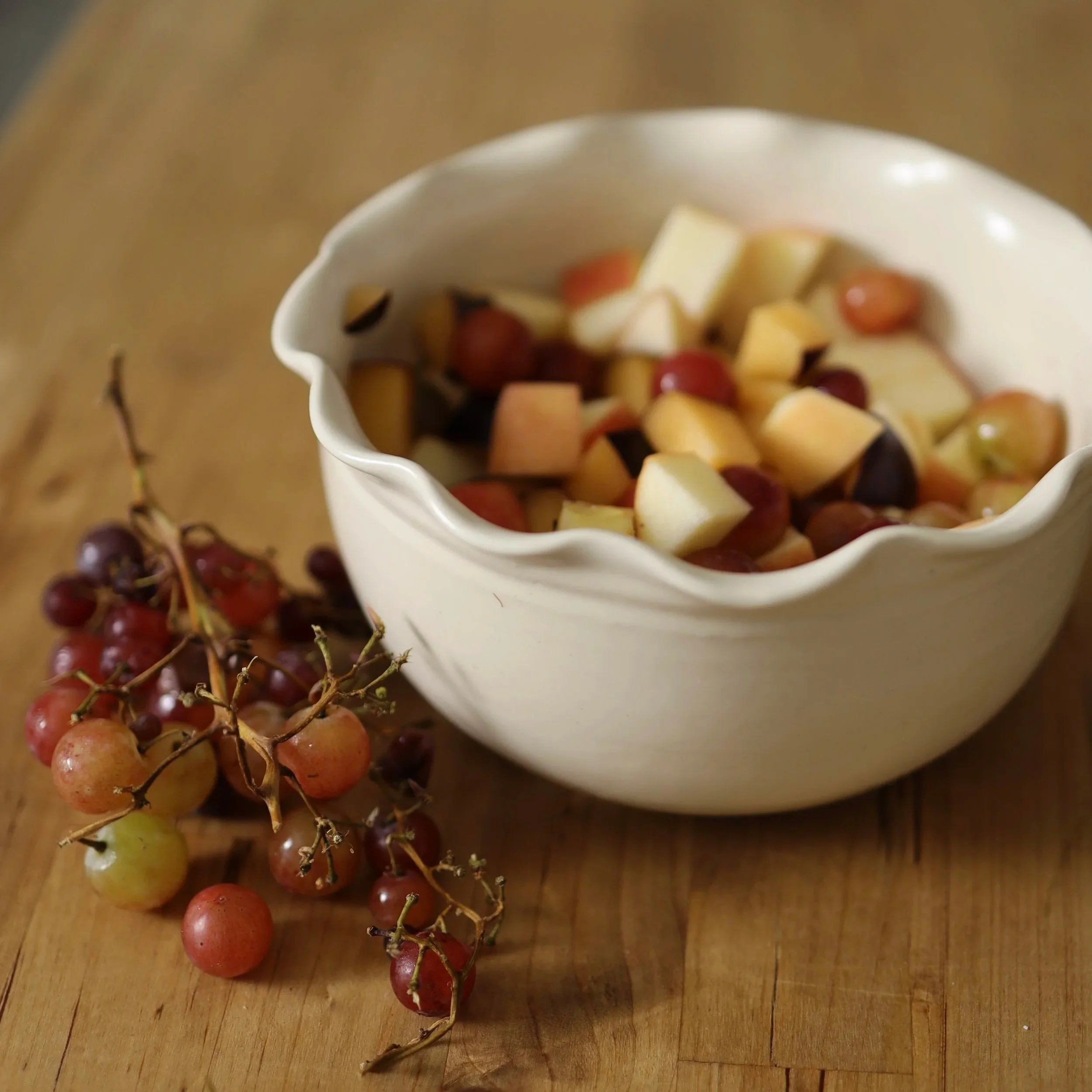
Fruit salad in the Ondulee Grand Bowl, by AL Fine Art & Design
A handmade ceramic piece doesn't simply appear. There are many stages between a lump of clay and the finished object: designing, forming, refining, drying, preparing for firing, glazing, firing again, and carefully inspecting the finished piece. Throughout that process, there are decisions to be made. The shape has to feel right, the proportions have to work, the surface needs to complement the form, and the final piece needs to feel balanced both visually and physically.
That time is part of what you're investing in when you purchase handmade. You're not only purchasing the finished object, you're purchasing the hours of thought and craftsmanship behind it.
Your Home Becomes More Personal
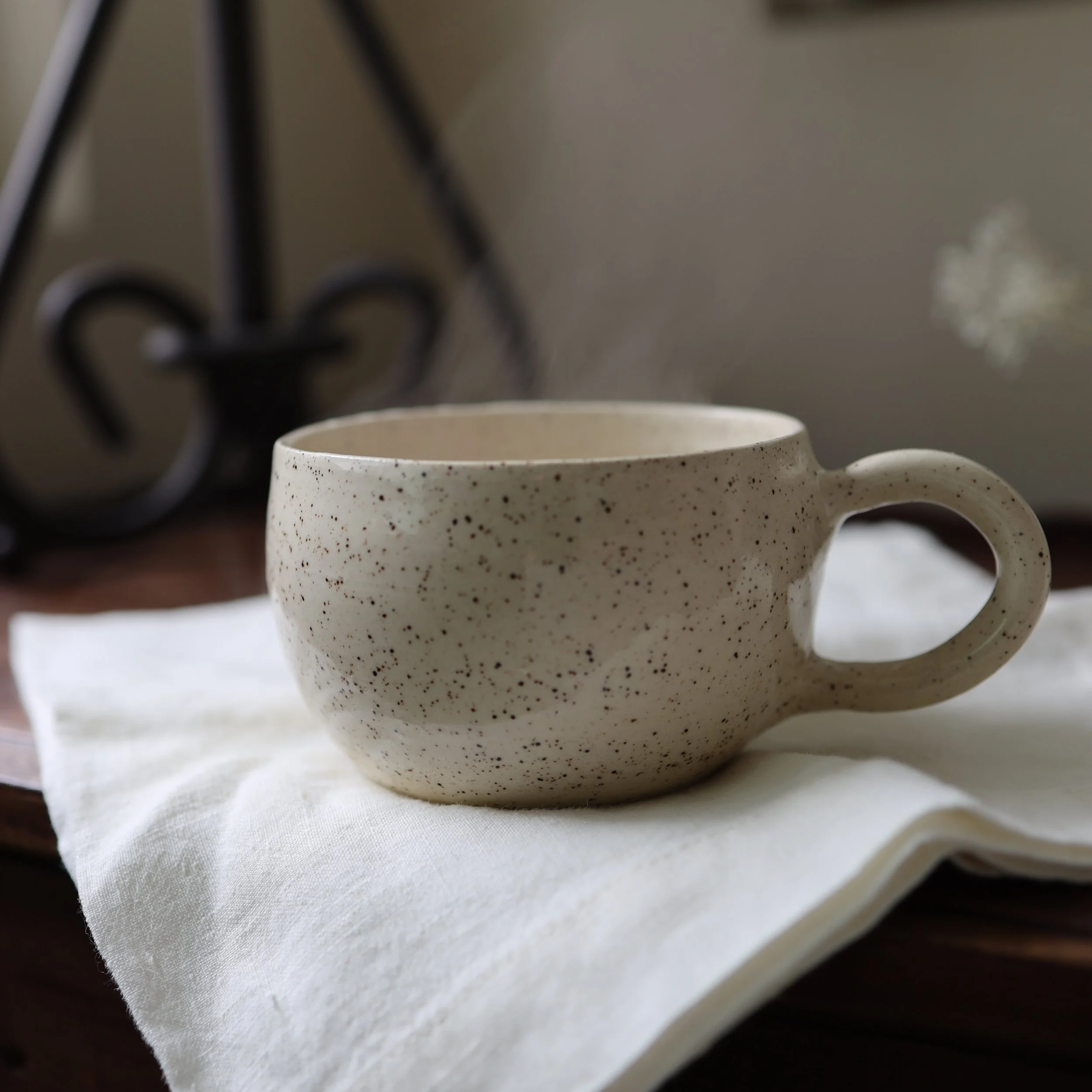
Steam rising from the Heirloom Latte Mug, by AL Fine Art & Design
When every object in a home comes from the same handful of mass-market collections, a space can begin to feel somewhat interchangeable. Handmade pieces introduce something different: individuality. A handmade vase can bring a sense of character to a console table, a sculptural vessel can become the piece that draws someone's eye when they enter a room, and a collection of ceramics gathered over time can tell a story about the person who lives there.
Your home doesn't need to look like everyone else's. In fact, I believe the most beautiful homes are the ones that feel distinctly personal and collected.
Choosing Fewer, Better Things
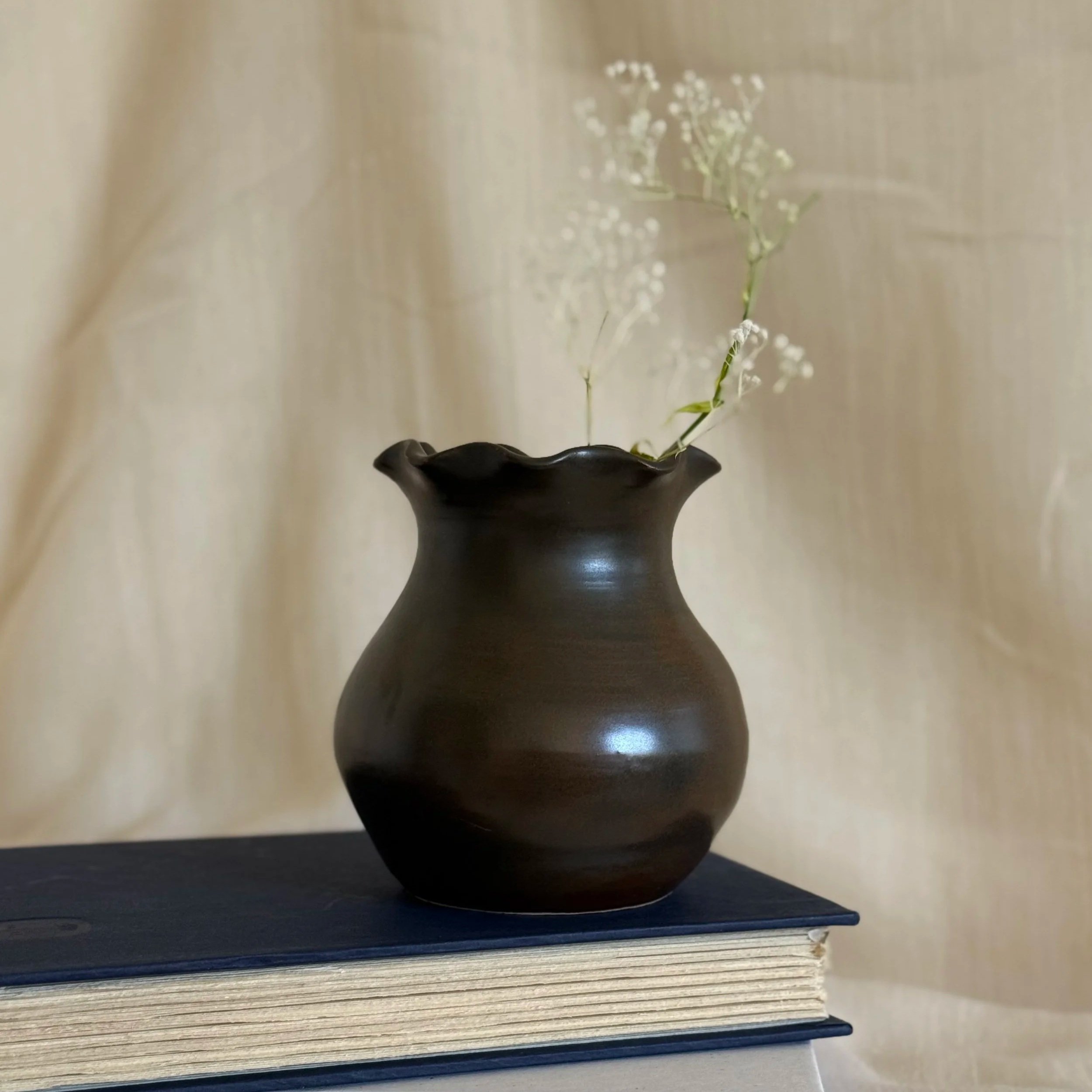
The Petite Ondulee Vase styled on books, by AL Fine Art & Design
For me, handmade design is closely connected to the idea of living with intention. Rather than constantly replacing inexpensive décor as trends change, there is something meaningful about choosing fewer pieces that you genuinely love.
A well-made object can remain in your home for years and it can move from one room to another as your home changes. It can become part of holidays, celebrations, quiet mornings, and everyday rituals. Eventually, it may become something even more valuable than it was when you first purchased it: a piece connected to memories.
Made to Become Part of Your Story
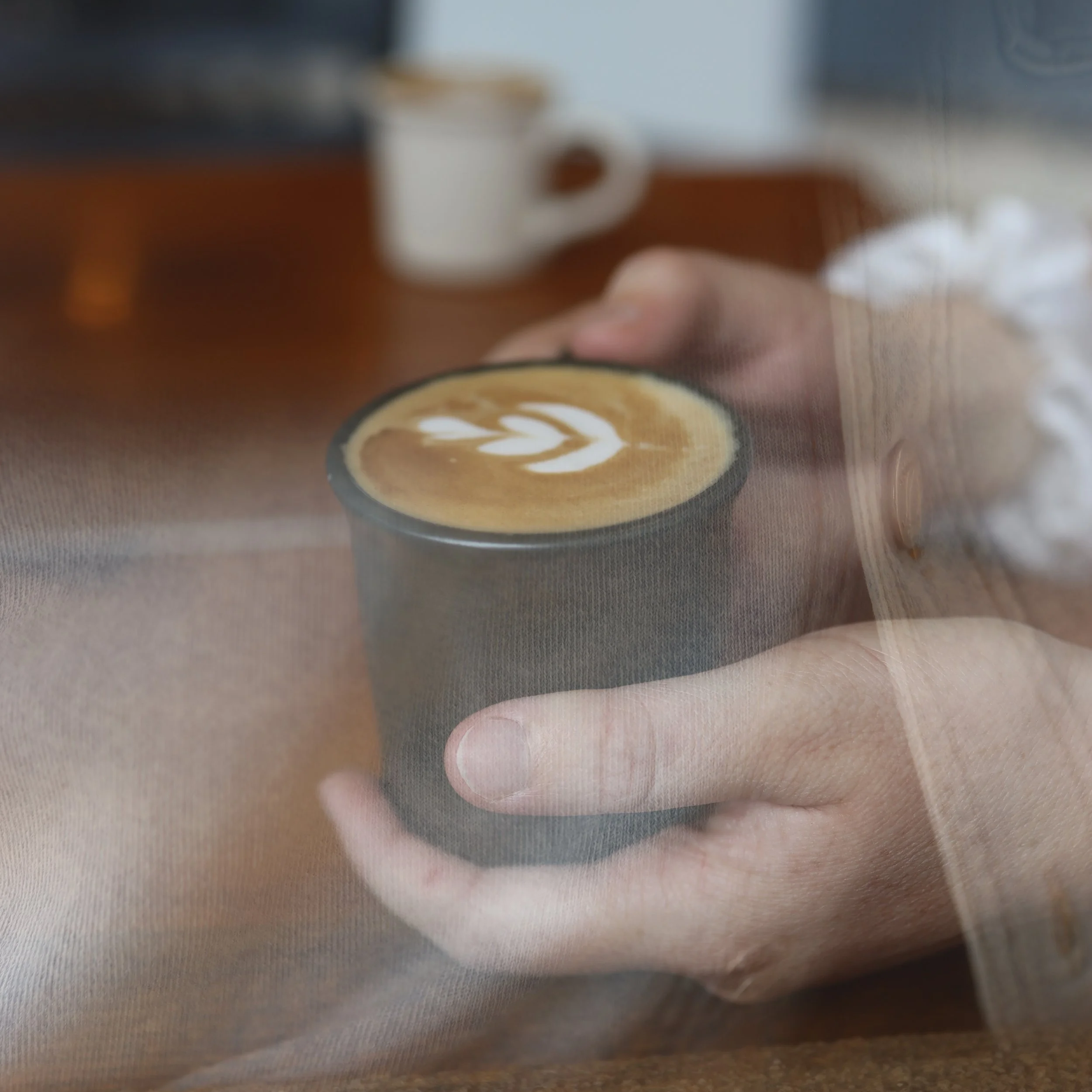
The Heirloom Espresso Mug, by AL Fine Art & Design
This is ultimately why I create. I don't want my work to simply be decor, I want it to become part of someone's home.
I want a vase to sit on a dining table through countless dinners. I want a vessel to become part of someone's morning routine. I want a piece to still feel beautiful years from now, even as the surrounding room evolves. Perhaps someday, I hope some of these pieces will be passed from one generation to the next.
There is something incredibly special about an object that carries a history with it. A piece that once belonged to a parent or grandparent becomes more than an object, it becomes a tangible connection to the people and moments that came before us.
That is the kind of longevity I aspire to create.
The Value of Something Made Slowly
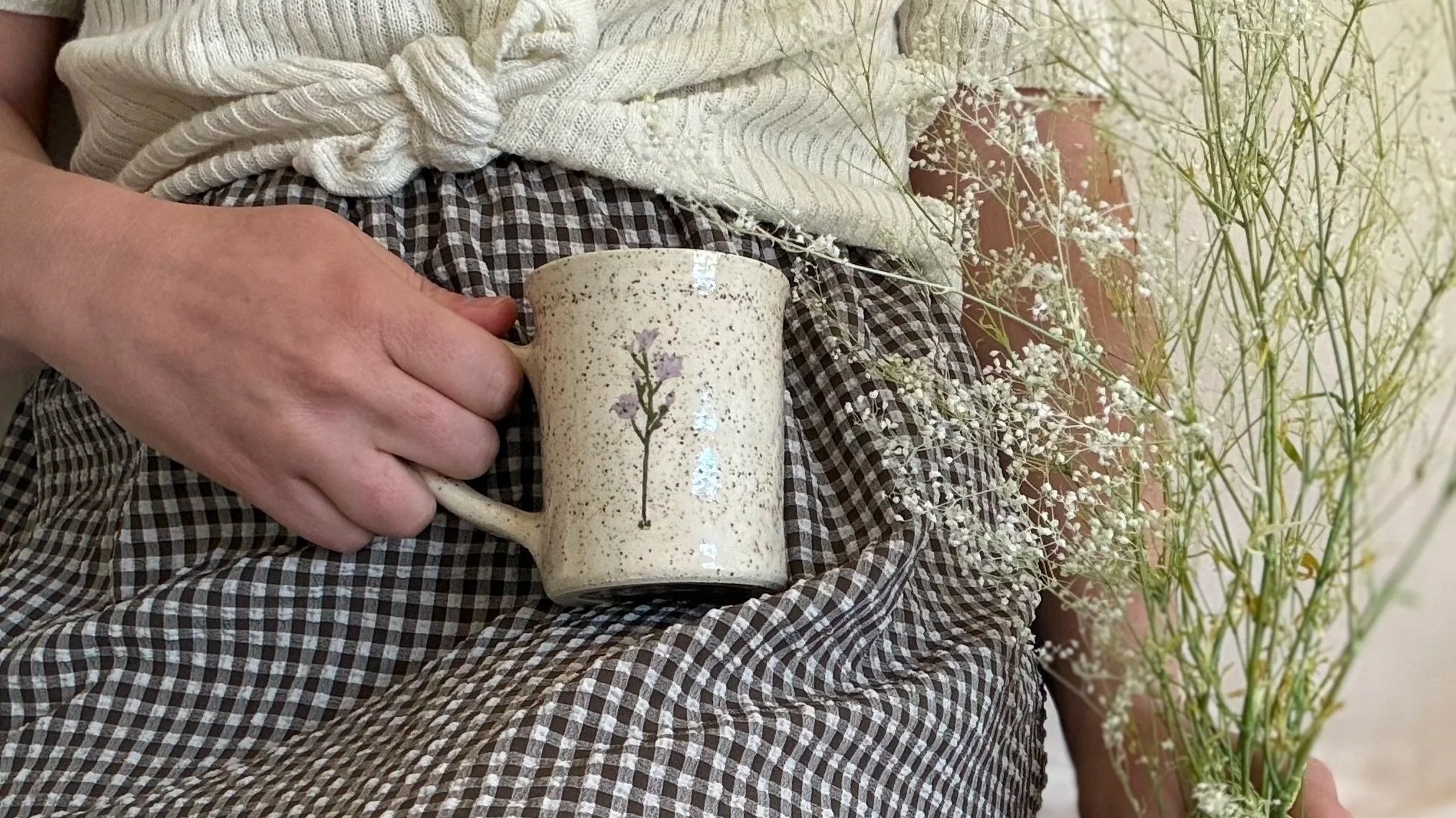
The Floral Heritage Flare-lip Mug, by AL Fine Art & Design
Handmade isn't necessarily about having something better simply because it wasn't mass-produced.
It's about choosing a different relationship with the objects in our homes and appreciating the person behind the work. It's about noticing the small variations that make one piece uniquely yours. It's about choosing craftsmanship over disposability and intention over excess. Perhaps most importantly, it's about giving the things we live with the opportunity to become meaningful. The most valuable objects in our homes aren't always the most expensive ones.
They're the ones we keep, the ones we care for, the ones that hold memories, and the ones we can imagine someone we love holding onto long after we're gone.
That is what handmade means to me.